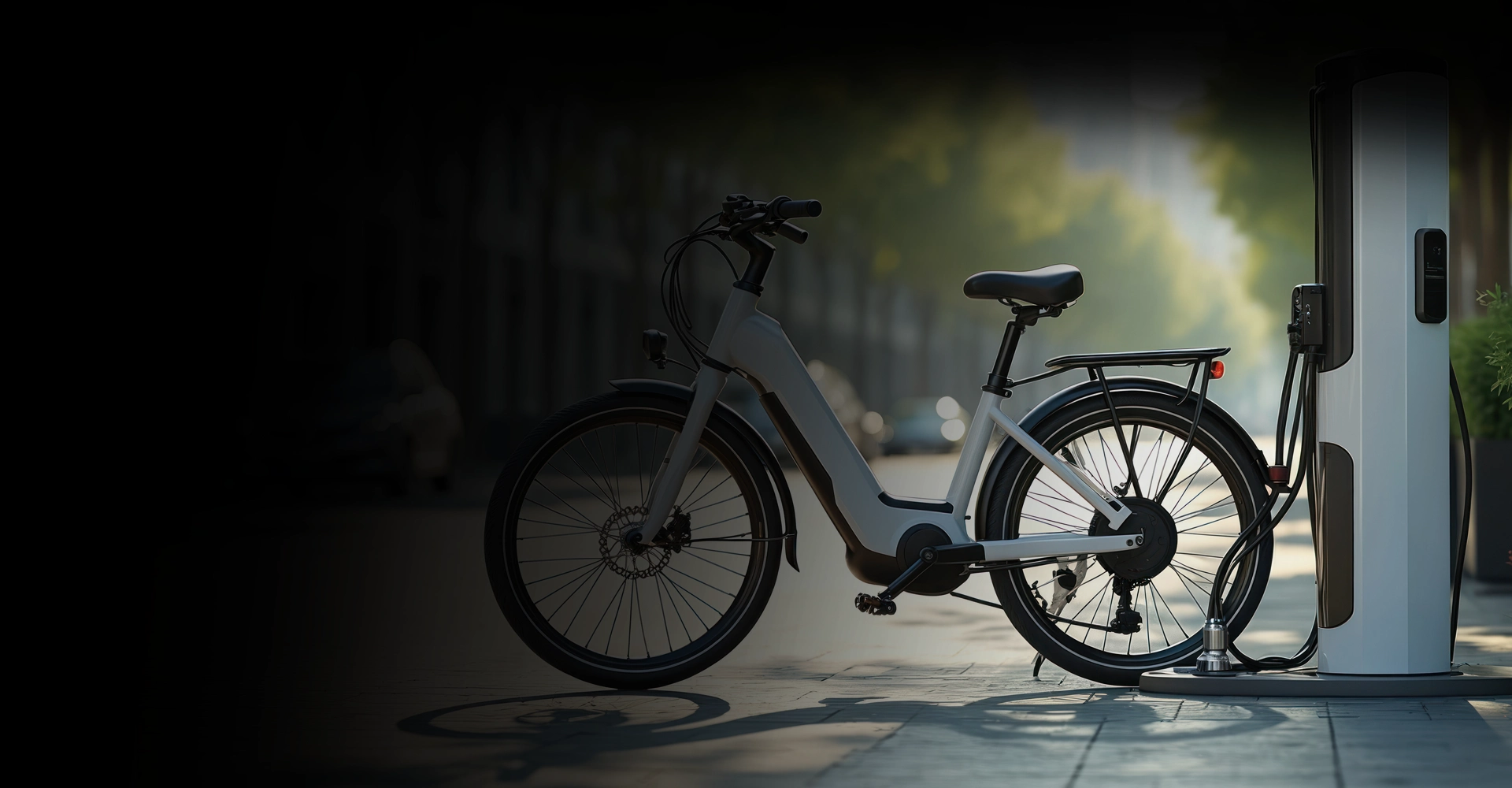
Electric bikes combining smart technology and boundless freedom

Smart navigation consoles and GPS mapping
Monitor telemetry, analyze trip distance, and ensure route guidance during expeditions.

Precision cadence and velocity sensors
Collect performance metrics on pedaling rate to optimize energy efficiency.

Route planning and optimization software
Schedule itineraries, analyze ride statistics, and streamline urban navigation effortlessly.

Integrated cockpit and control dashboard
Visualizes telemetry data from the drive system instantly for safe handling.

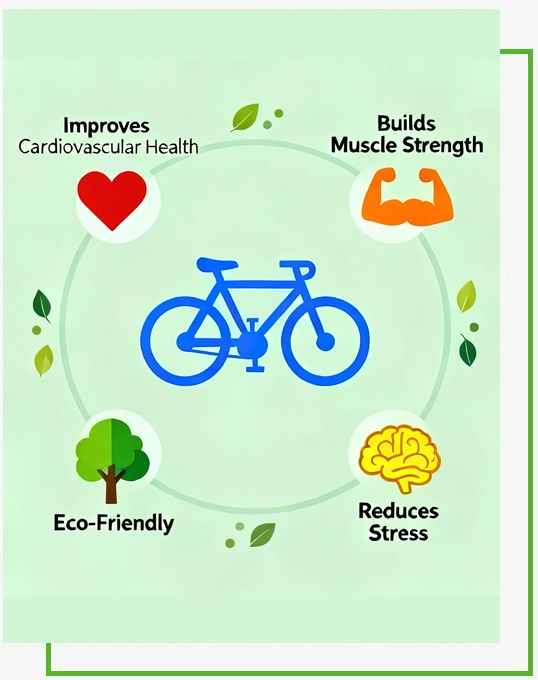
Smart mobility and eco-friendly commuting
In congested metropolitan areas, rethinking transit is crucial to lowering carbon footprints and boosting urban livability. Adopting soft mobility, dockless fleets, and intermodal connectivity renders commutes fluid. By fusing traffic innovation with municipal planning, cities provide citizens with low-emission transport alternatives aligned with contemporary logistics needs.
Preventative vehicle maintenance
Crucial e-bike maintenance protocols
Scheduled servicing preserves cycle longevity, motor efficiency, and rider security. A tuned system optimizes energy consumption and prevents mechanical failure. Furthermore, preventative diagnostics allow you to identify component wear before issues require expensive repairs or compromise roadworthiness.

Lithium-ion cells and charging cycles
Ensure the power pack remains charged per OEM guidelines. A calibrated battery retains charge density longer, guaranteeing extended range.
Hydraulic braking systems
Inspect calipers, brake pads, and hydraulic lines frequently. Responsive stopping power is vital for hazard avoidance on steep gradients.
Drive belt and transmission
Monitor the cassette, derailleur, and sprockets. A lubricated chain and indexed gears ensure seamless shifting and prevent abrasive damage to mechanical parts.
Exploring heritage sites via cycle touring
Bicycle tourism on scenic byways offers immersive access to regional topography. Unlike motorized transport, slow travel permits deep engagement with the ecosystem, admiring panoramas, and pausing at landmarks or nature reserves. This active exploration fosters local connection, enabling interactions with communities and supporting sustainable hospitality. Whether for day-trips or bikepacking expeditions, cycling converts travel into eco-conscious adventure, blending recreation, cultural discovery, and environmental stewardship.