Travel & Leisure
Cycling transforms the way we experience travel. Unlike rushing through landscapes in motorized vehicles, bike travel offers an intimate connection with your surroundings—the subtle change in terrain beneath your wheels, the scent of wildflowers along country roads, the authentic interactions with locals in small villages. This slower, more deliberate pace creates space for genuine discovery and personal reflection that conventional tourism rarely provides.
Yet successful cycling travel requires more than enthusiasm and a reliable bike. From selecting routes that match your abilities and interests to managing practical challenges like accommodation booking and theft prevention, thoughtful preparation separates frustrating experiences from transformative adventures. This comprehensive resource explores the essential dimensions of cycling travel and leisure, providing you with the foundational knowledge to plan safer, more enjoyable journeys whether you’re embarking on a weekend escape or a multi-week expedition across unfamiliar territories.
Planning Your Cycling Routes Effectively
Route planning forms the cornerstone of any successful cycling journey, yet many riders underestimate its complexity. A well-planned route considers not just distance and elevation, but also surface quality, traffic patterns, service availability, and contingency options.
Sequencing Your Route Segments
Think of route sequencing as composing music rather than simply connecting points on a map. The order in which you tackle different segments dramatically affects your experience and safety. Starting with moderate terrain allows your body to adapt before facing challenging climbs, while scheduling difficult sections during cooler morning hours prevents heat exhaustion. Consider prevailing wind patterns too—a tailwind can transform a grueling 80-kilometer stretch into an exhilarating glide, while headwinds can turn the same distance into an exhausting ordeal.
Setting Up Offline Navigation Capabilities
Cellular coverage remains unreliable in many rural and mountainous regions where cycling routes often venture. Offline mapping capabilities provide critical insurance against getting lost in areas without signal. Download detailed maps of your entire route corridor—not just the planned path, but surrounding areas too. This buffer zone proves invaluable when detours become necessary due to road closures, severe weather, or simply discovering a more appealing alternative route.
Building Flexibility for Route Updates
Rigid adherence to predetermined routes often creates unnecessary stress. Weather shifts, physical fatigue levels, unexpected closures, or spontaneous discoveries frequently warrant adjustments. Build decision points into your itinerary—predetermined locations where you can realistically choose between continuing as planned, taking a shorter alternative, or extending your day to explore something compelling. This structured flexibility maintains forward progress while accommodating the unpredictable nature of bike travel.
Selecting the Perfect Cycling Routes
Route selection extends far beyond choosing the shortest path between destinations. The character of your route fundamentally shapes your entire experience, influencing everything from physical demands to emotional resonance.
Evaluating Scenic Quality and Visual Interest
Scenic routes provide more than aesthetic pleasure—they offer psychological rewards that counterbalance physical effort. Coastlines with dramatic cliff formations, river valleys with medieval villages, or alpine passes with sweeping vistas create memorable moments that sustain motivation during challenging sections. Research viewpoint locations, distinctive architectural features, and natural landmarks along potential routes. Routes with varied landscapes prevent visual monotony during multi-day journeys.
Matching Route Difficulty to Your Capabilities
Misjudging route difficulty ranks among the most common planning mistakes. Total elevation gain often matters more than horizontal distance—a flat 100-kilometer ride typically demands less energy than a 60-kilometer route with significant climbing. Examine elevation profiles carefully, noting not just total ascent but also gradient percentages and descent characteristics. Steep descents require technical handling skills and can fatigue hands and forearms through constant braking.
Identifying Low-Traffic Routes for Calm Travel
Sharing narrow roads with high-speed traffic transforms cycling from pleasure to anxiety. Dedicated cycle paths, designated quiet roads, and agricultural service roads offer calmer alternatives. Many regions maintain official low-traffic cycling networks that prioritize safety and tranquility over directness. Accept slightly longer distances in exchange for significantly reduced stress and enhanced safety margins.
Planning Thematic Routes for Deeper Engagement
Thematic routes organized around specific interests—wine regions, historical battlefields, architectural styles, or literary landscapes—add intellectual dimension to physical activity. Following themed routes provides natural stopping points with clear purposes, enriching your journey with cultural context and narrative coherence that random route selection cannot match.
Preparing for Long-Distance Cycling Journeys
Multi-day and long-distance cycling introduces logistical complexities absent from day rides. Success requires systematic preparation addressing equipment, nutrition, physical conditioning, and psychological readiness.
Strategic Preparation for Autonomous Travel
Autonomous cycling travel—journeys where you carry all necessary equipment and operate independently of support vehicles or prearranged services—demands thorough preparation. Test your complete setup on shorter overnight trips before committing to extended expeditions. This reveals equipment incompatibilities and packing inefficiencies in low-stakes environments where adjustments come easily. Verify you can perform basic mechanical repairs, particularly fixing punctures, adjusting brakes, and repairing broken chains.
Managing Energy Reserves Effectively
Energy management separates riders who complete ambitious routes comfortably from those who struggle through final kilometers depleted. Consume calories consistently throughout riding hours rather than relying on large meals—think of it as maintaining a steady fire rather than alternating between blazes and embers. Aim for 200-300 calories per hour during active riding, mixing easily digestible carbohydrates with moderate protein. Monitor hydration through urine color rather than thirst, which often signals existing dehydration.
Balancing Load Distribution
Improper load distribution affects bike handling, increases fatigue, and can cause equipment failure. Position heavier items low and centered, with weight distributed roughly 60% rear and 40% front for optimal stability. Secure all loads firmly—shifting weight mid-descent creates dangerous handling unpredictability. Waterproof critical items even if weather forecasts promise sunshine; unexpected rain inevitably appears during extended travel.
Managing Your Cycling Travel Logistics
Practical logistics often determine whether ambitious cycling plans actually materialize into enjoyable realities. Accommodation, timing, and pacing strategies require deliberate consideration.
Selecting Appropriate Accommodation
Accommodation selection for cycling travel balances location, amenities, and budget differently than conventional tourism. Prioritize secure bike storage—indoor storage significantly reduces theft risk and protects equipment from weather. Confirm availability of basic bike maintenance facilities like hoses for cleaning, pumps, and workspace. Location matters greatly: accommodation positioned mid-route allows roughly equal daily distances, while those near route termini can necessitate awkwardly long or short final days.
Timing Segments and Visits Strategically
Time of day dramatically affects cycling conditions. Summer afternoon heat in Mediterranean climates can make riding dangerous, while early morning hours offer comfortable temperatures and calmer air. Cultural sites and attractions often close during midday or specific weekdays, so coordinate arrival times with opening hours to avoid disappointments. Allow buffer time for unexpected delays—mechanical issues, wrong turns, or simply underestimating segment duration.
Developing Sustainable Pacing Strategies
Sustainable pacing prevents the common pattern of enthusiastic first days followed by exhausted subsequent ones. Start conservatively—roughly 70% of your perceived maximum effort—for the first two days of any multi-day journey. This allows your body to adapt to consecutive riding days. Schedule easier days or rest days after particularly demanding segments. Pay attention to cumulative fatigue, which compounds differently than single-day exhaustion.
Understanding Access and Safety Considerations
Legal restrictions, access regulations, and security concerns vary dramatically across regions and borders, requiring research and appropriate precautions.
Navigating Legal Restrictions and Access Rules
Cycling regulations differ significantly between jurisdictions. Some trails prohibit bicycles entirely, certain roads require specific lighting or reflective equipment, and particular regions mandate helmet use. Research local regulations before crossing international borders or entering unfamiliar regions. National parks frequently restrict cycling to designated paths, while some private lands permit passage only with advance permission. Respecting these rules protects both access rights for future cyclists and your own legal standing.
Preventing Theft Abroad
Bicycle theft represents a significant risk, particularly in urban areas and tourist destinations. Never rely solely on quick-release convenience when leaving bikes unattended—use high-quality U-locks securing frames and both wheels to immovable objects. Remove or lock accessories like GPS units, lights, and bags. Photograph your bike and record serial numbers before departure; this documentation proves invaluable for insurance claims and police reports. Consider less conspicuous bikes for urban touring—expensive racing models attract disproportionate attention from thieves.
Enriching Your Cycling Adventures
Cycling travel offers unique opportunities for cultural immersion and experiential depth that faster transport modes cannot match. The slower pace creates space for spontaneous interactions, while the visible effort of cycling often elicits helpful responses from locals.
Combining cultural exploration with cycling activity requires intentional planning. Research festivals, market days, regional specialties, and architectural highlights along your route. Local cycling clubs often welcome visiting riders for group rides, providing insider knowledge about hidden routes and authentic regional experiences. Consider guided sections through historically complex or culturally significant areas where expert commentary adds valuable context.
For those exploring unfamiliar regions without personal bikes, rental options have expanded significantly. Compare rental services carefully—evaluate not just daily rates but also included equipment, mechanical support availability, and replacement bike policies for failures. Higher-quality rentals with well-maintained equipment generally prove worthwhile, preventing frustrations that cheap alternatives often introduce.
Cycling travel represents more than transportation or exercise—it’s a distinctive lens through which to experience the world. The combination of physical engagement, environmental immersion, and personal autonomy creates uniquely memorable journeys. Whether you’re planning weekend escapes along regional routes or transcontinental expeditions, the fundamental principles remain consistent: thoughtful preparation, realistic self-assessment, cultural respect, and openness to the unexpected moments that transform trips into genuine adventures. Start with manageable objectives, learn from each journey, and gradually expand your ambitions as experience builds confidence.
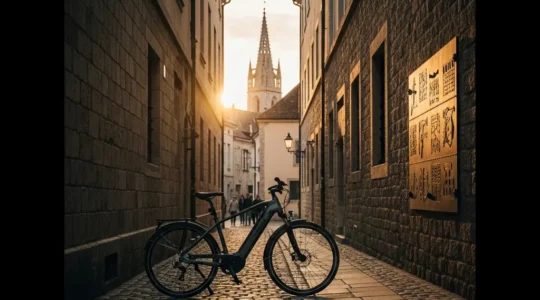
Slow Travel: Accessing Historic Centers Closed to Cars
The e-bike is the ultimate “skeleton key” for European heritage, bridging the gap between distant parking lots and pedestrian-only ancient cores. Heritage sites ban cars…
Read more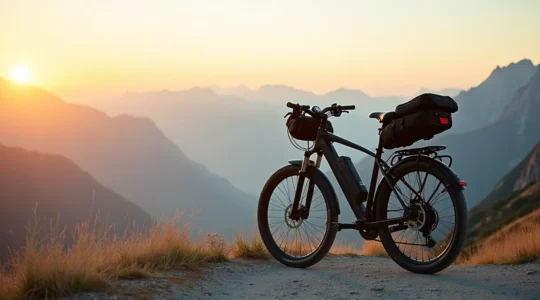
E-Bike Trekking Essentials: Packing for a 3-Day Self-Supported Trip
In summary: Successful e-bike touring is less about a packing list and more about a strategic mindset focused on power, weight, and redundancy. Prioritize power…
Read more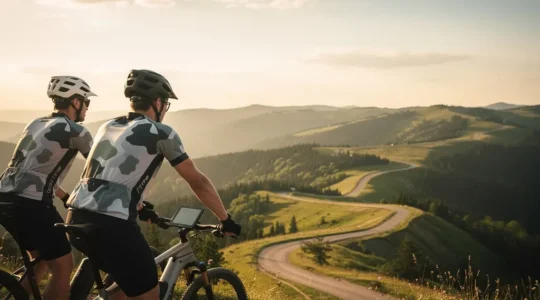
Komoot vs Strava: Which Planner Is Best for E-Bike Touring?
The best e-bike touring app isn’t the most popular, but the one that best prevents you from getting lost, stranded, or running out of battery….
Read more