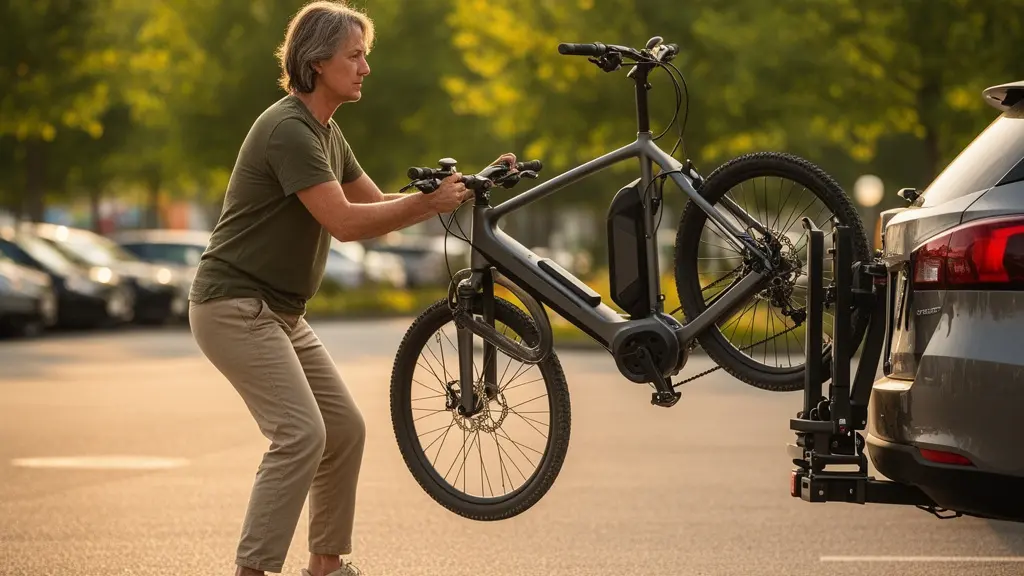
Living with a 60-pound e-bike in a third-floor walk-up is not a test of strength, but a spatial logistics challenge requiring mechanical advantage and load distribution.
- Removing the battery reduces transport weight by 8-12 pounds instantly, transforming lifting dynamics.
- Walk mode and pivot-point loading techniques eliminate the need for brute force during vertical transitions.
Recommendation: Audit your specific spatial constraints—stair width, rack height, and transit frequencies—before selecting equipment to ensure compatibility with your vertical environment.
Navigating three flights of stairs with a 60-pound electric bicycle presents a unique architectural challenge that standard cycling advice fails to address. The platitudes are familiar: “lift with your legs,” “invest in a lighter carbon frame,” or simply “store it outside”—solutions that ignore the realities of urban theft, budget constraints, and the physics of maneuvering mass within narrow stairwells. The conventional approach treats weight as an obstacle to overcome through brute force or expensive equipment swaps.
However, the effective solution lies in treating your living situation as a vertical logistics problem rather than a fitness test. By understanding load distribution, pivot mechanics, and center of gravity management, you can transform an unwieldy machine into a manageable component of your daily commute. This article examines the spatial workflow of heavy e-bike ownership—from ascending ramps without strain to securing your investment on public transit—providing actionable frameworks that respect both your physical limitations and your apartment’s architectural constraints.
For those who prefer visual demonstration, the following video illustrates fundamental loading principles using motorcycle transport techniques that scale effectively to heavy e-bike applications, particularly regarding ramp angles and leverage points.
The following sections break down specific scenarios you’ll encounter: vertical ascents, vehicle loading, material considerations for transport, and multi-modal commuting strategies. Each addresses a distinct phase of the heavy e-bike logistics chain.
Table of contents: Navigating heavy e-bike logistics in vertical living spaces
- How to Use “Walk Mode” to Push Your Bike Up Ramps
- Techniques for Lifting Heavy E-Bikes onto Car Racks
- Carbon vs Aluminum: Does Frame Material Matter for Heavy E-Bikes?
- The Risk of Overloading Standard Car Racks with E-Bikes
- Removing the Battery: The Quickest Way to Shed 8lbs
- How to Board a Bus with a 20kg E-Bike Without Delaying Traffic
- Why Linkage Steering Feels Twitchy at First (And How to Adapt)
- How to Combine Trains and Folding E-Bikes for a Seamless Commute
How to Use “Walk Mode” to Push Your Bike Up Ramps
Vertical ascents in walk-up buildings rarely offer elevators, but modern e-bike drive systems provide an underutilized feature that converts your bicycle into a powered assist device. Walk mode engages the motor to propel the bike at 3.5-6 km/h speeds, effectively eliminating the need to bear the full 60-pound weight while climbing ramps or stairs. This transforms the physical relationship between rider and machine from one of resistance to controlled guidance.
The technique requires understanding motor modulation rather than continuous engagement. Rather than holding the activation button steadily—which can generate sudden acceleration—experienced users employ a pulsing rhythm to maintain precise speed control. Positioning is equally critical: stand to the side of the bike rather than directly behind it, maintaining a firm grip on the handlebars while keeping your body clear of the frame’s trajectory. This lateral stance prevents the bike from rolling back into you if traction is lost on the ramp surface.
Mastering walk mode control: the feathering technique
- Activate mode: Hold the minus (-) button to initiate walk mode on most e-bike systems
- Modulate speed: Pulse the button intermittently rather than holding continuously for gradual acceleration
- Position body: Stand to the side of the bike, not directly in front, to maintain clear sightlines
- Practice flat: Start practicing on flat ground before attempting ramps to understand torque response
- Maintain grip: Keep handlebars firmly gripped while staying clear of the bike’s potential path
- Safety release: Release immediately if the speed exceeds comfort—walk mode at 4mph requires pulsing on some systems to prevent runaway
Techniques for Lifting Heavy E-Bikes onto Car Racks
Loading a 60-pound e-bike onto a roof or hitch rack presents significant ergonomic challenges, particularly when working solo. The physics of lifting that mass overhead repeatedly invites strain and potential damage to both the bike and your vehicle. Rather than attempting to deadlift the entire machine, experienced riders utilize pivot-point mechanics to distribute the load across multiple movements, effectively halving the effort required at any given moment.
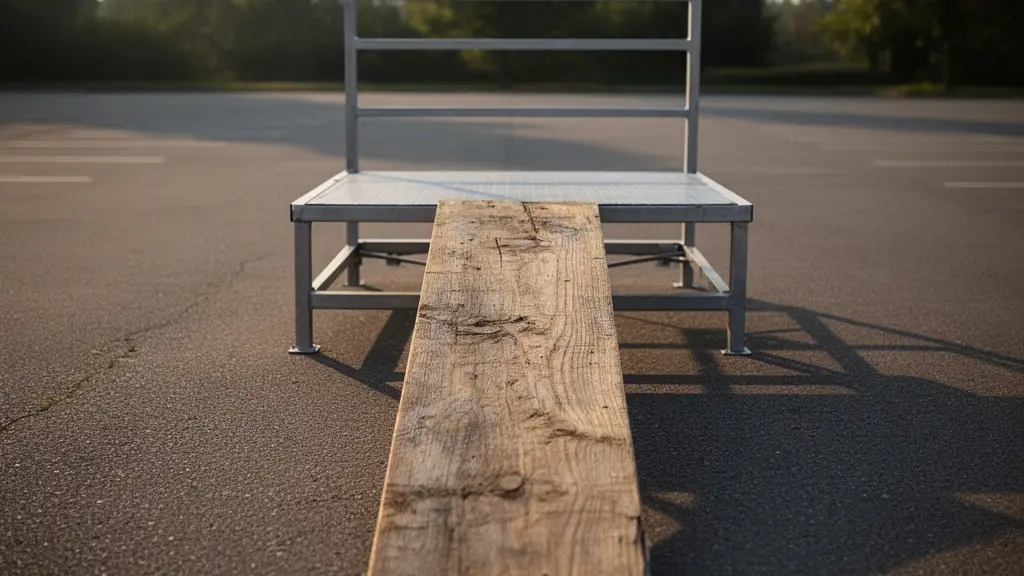
As shown above, creating a gradual approach angle reduces the vertical lift required significantly. Beyond mechanical aids, the loading sequence matters: lift the front wheel onto the platform first while the rear wheel remains grounded, then pivot the frame and lift the rear wheel separately. This technique, proven effective even with elevated racks in challenging environments, eliminates the need to hoist the entire 50 to 80+ pounds simultaneously.
Critical to this process is the preliminary removal of the battery pack. This single action reduces the lifting weight by 8-12 pounds, shifting the center of gravity lower and making the frame more manageable during the pivot motion. Always verify that the rack’s weight capacity accommodates your specific bike’s mass, as standard racks often assume lighter traditional bicycles.
Carbon vs Aluminum: Does Frame Material Matter for Heavy E-Bikes?
When selecting an e-bike for vertical living environments, frame material impacts not just ride quality but transport safety and maintenance costs. The prevailing assumption suggests carbon fiber offers superior performance due to its stiffness-to-weight ratio. However, in the context of daily lifting, stair navigation, and rack clamping, aluminum often proves more practical for heavy electric bikes.
The critical difference lies in damage tolerance and repairability. Carbon frames, while lighter, exhibit catastrophic failure modes when subjected to point loads or impact—common risks when maneuvering 60 pounds through tight stairwells or when clamped incorrectly on transport racks. Aluminum, conversely, sustains dents and deformation without immediate structural compromise, maintaining integrity during the inevitable bumps of apartment living.
| Aspect | Carbon Frame | Aluminum Frame |
|---|---|---|
| Clamping Risk | High – requires torque wrench and special adapters | Low – robust against standard clamps |
| Drop Damage | Catastrophic failure possible | Dents but remains functional |
| Manual Handling Feel | Stiff, transfers more shock | More compliant, easier to maneuver |
| Repair Cost | $500-2000+ for frame damage | $100-500 for typical damage |
As noted by technical specialists, particular attention must be paid to rack selection: “Avoid racks with top-down clamps that press directly onto the wheel where the fender sits, as these can crack or break your fender during transport.” This warning applies doubly to carbon frames where stress concentrations can propagate cracks.
The Risk of Overloading Standard Car Racks with E-Bikes
Standard bicycle racks often carry weight ratings designed for 25-30 pound road bikes, creating a dangerous mismatch when tasked with securing 60-pound electric machines. This overloading presents risks beyond equipment failure—improperly secured heavy bikes become lethal projectiles at highway speeds. Between 2011 and 2014, unsecured cargo caused over 200,000 crashes and 500 deaths on American roads, illustrating the stakes of inadequate transport logistics.
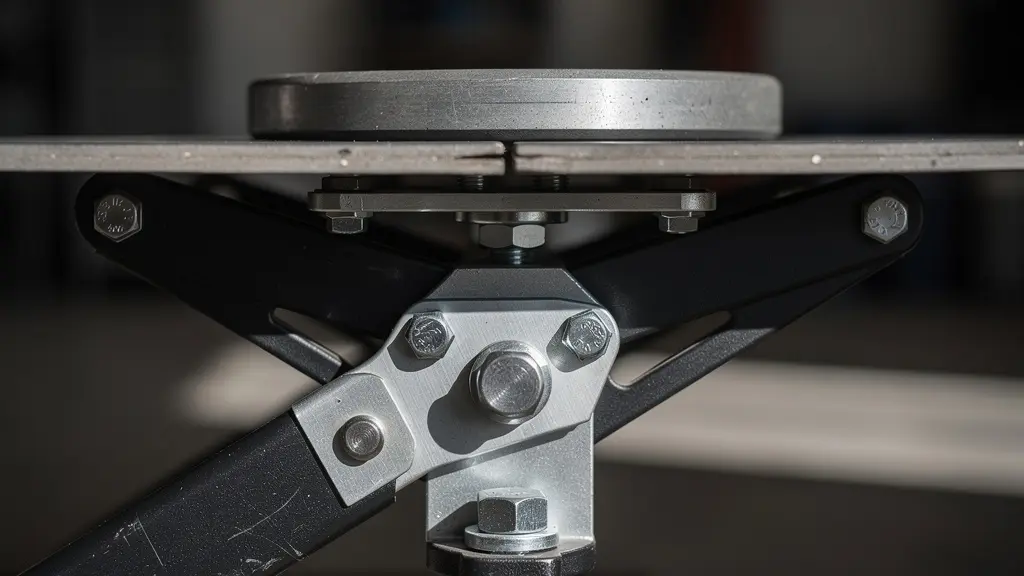
The image above highlights how weight concentrates at pivot points and clamp interfaces, areas rarely designed for sustained dynamic loads exceeding 50 pounds. When a rack fails or a bike detaches, the consequences extend beyond property damage. If a poorly secured bike falls onto the highway and strikes another vehicle, your property damage liability coverage may respond to pay for repairs. However, standard auto insurance does not cover the bike itself—that falls under homeowners or renters insurance. Critically, using an underrated rack could void both coverages, leaving you personally liable for all damages.
Selecting racks with explicit e-bike ratings (typically 60+ pounds per bike) and verifying hitch tongue weight capacity becomes essential infrastructure planning for vertical commuters who must transport their machines to trails or charging locations.
Removing the Battery: The Quickest Way to Shed 8lbs
In the physics of manual handling, eight pounds represents the threshold between manageable and burdensome when maneuvering awkward shapes through constrained spaces like stairwells or vehicle loading zones. Removing the battery pack—typically weighing 8-12 pounds—transforms a 60-pound e-bike into a 50-pound bicycle, altering the center of gravity and reducing moment forces on your wrists and lower back during vertical transport.
Beyond ergonomics, battery removal protects your most expensive component from vibration damage during rack transport and eliminates theft risk when the bike is stored outside temporarily. However, this modification changes the bike’s balance characteristics; the frame may feel unexpectedly rear-heavy without the centralized mass of the battery, requiring adjusted handling during loading.
Safe battery transport protocol
- Weight reduction: Remove battery before loading bike onto rack to reduce lifting weight by 8-12 pounds
- Temperature control: Store battery in temperature-controlled area inside vehicle, not in trunk where heat accumulates
- Securement: Secure battery to prevent it becoming a projectile during sudden stops—use seat belts or cargo nets
- Sun protection: Avoid leaving battery in direct sunlight, especially in warm climates where thermal runaway risks increase
- Physical protection: Wrap battery in protective padding if transporting multiple items to prevent case damage
- Contact safety: Consider using terminal covers or dummy battery to protect exposed contacts on bike frame from moisture and short circuits
How to Board a Bus with a 20kg E-Bike Without Delaying Traffic
Integrating a 20-kilogram e-bike into public transit requires spatial choreography that minimizes dwell time at bus stops—critical for maintaining schedule adherence and avoiding the ire of fellow passengers. The front-mounted racks on most municipal buses present unique challenges for heavy bikes, as the lifting motion must occur quickly without the mechanical advantage of ramps or lowered platforms.
Experienced transit riders employ a specific sequence for heavy hub-motor bikes: insert the front wheel into the rack loop first, then lift the rear wheel (containing the heavy motor) separately rather than hoisting the entire bike horizontally. This approach works particularly well for bikes built just short enough to fit standard bus bike racks, allowing the motor weight to be managed through leverage rather than brute lift.
Transit etiquette and efficiency checklist
- Time management: Arrive at the bus stop early to avoid rushing the loading process under pressure
- Load preparation: Remove panniers and store them separately before the bus arrives to reduce bulk and weight
- Payment readiness: Have payment ready and easily accessible to minimize delay after securing the bike
- Driver communication: Make eye contact with driver and use clear hand signals before approaching rack
- Positioning: Position yourself at the front of the bus stop for optimal rack access without crossing traffic
- Skill rehearsal: Practice the hook-and-lift motion at home using a stationary object to build muscle memory
Why Linkage Steering Feels Twitchy at First (And How to Adapt)
Heavy e-bikes often utilize linkage steering systems—mechanical arrangements that separate handlebar input from wheel movement through intermediate joints—to manage the weight distribution of front-hub motors. While these systems reduce “wheel flop” (the tendency of heavy front wheels to fall to one side at low speeds), they initially feel disconcertingly twitchy to riders accustomed to direct steering columns.
Linkage steering separates rider input from wheel movement, much like a modern jet’s controls. This reduces ‘wheel flop’ with a heavy front end but feels unnatural at first.
– Technical analysis, E-Bike Steering Systems Review
This alien feedback loop requires recalibrating your proprioceptive expectations. In tight vertical spaces—hallways, elevator lobbies, or narrow stair landings—overcorrection is the primary risk. The bike responds to smaller inputs than anticipated, leading to zigzag patterns that threaten door frames and drywall.
Retraining steering reflexes: muscle memory exercises
- Low-speed patterns: Start with slow-speed figure-eights in an empty parking lot to understand the steering ratio
- Slalom practice: Practice weaving between cones at walking pace to develop smooth input habits
- Hip initiation: Focus on initiating turns with hip movement rather than handlebar torque to reduce over-steering
- Counter-steering awareness: Use counter-steering and body lean for direction changes at very low speeds
- Grip relaxation: Keep hands relaxed on grips to avoid over-correction through tension feedback
- Progressive difficulty: Gradually increase speed as comfort improves over 2-3 practice sessions before navigating stairs
Key takeaways
- Treating heavy e-bike ownership as a vertical logistics problem rather than a fitness challenge leads to sustainable long-term solutions.
- Strategic removal of the 8-12 pound battery pack transforms handling dynamics for stairs, racks, and transit.
- Mechanical advantages—walk mode, pivot loading, and linkage steering adaptation—reduce physical strain more effectively than material upgrades.
How to Combine Trains and Folding E-Bikes for a Seamless Commute
For the walk-up apartment dweller, folding e-bikes represent the ultimate spatial compromise: full-sized electric assistance that condenses into a package manageable within limited square footage. However, most folding e-bikes still weigh between 50 to 80+ pounds, meaning the folding mechanism itself becomes a critical ergonomic feature rather than just a convenience.
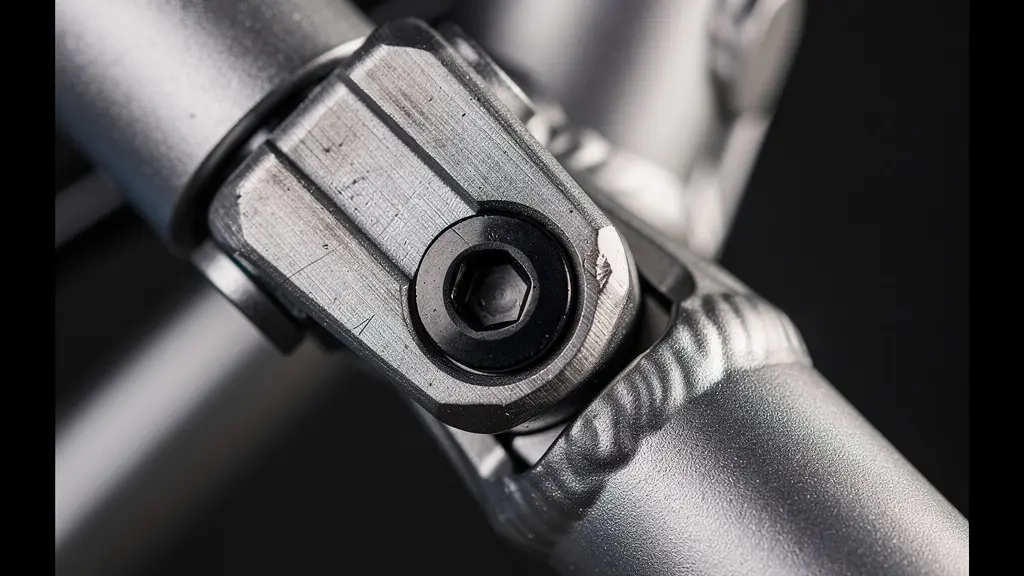
The precision of the hinge mechanism, as shown above, determines how quickly you can transition from riding mode to carrying mode—essential when catching a departing train or navigating crowded platforms. RV and truck travelers report success with models like the Lectric XP (64 lbs) that fit under hard tonneau covers, sliding in and out on blankets to reduce friction. Notably, users found that 56-pound versions with extended range proved too heavy for regular lifting, while 40-pound range models offered the practical threshold for daily vertical transport.
When integrating with rail transit, the folded package must meet specific dimensional constraints while maintaining manageable center of gravity. The combination of train efficiency and last-mile e-bike range creates a viable car-free lifestyle, provided you master the specific folding sequence and carrying posture that protects your back during platform transitions and stair ascents.
Evaluate your specific stairwell width, vehicle rack height, and transit frequency against these logistical frameworks before committing to a heavy e-bike purchase. The right workflow transforms an impossible 60-pound burden into a manageable daily rhythm.
Frequently asked questions about e-bike battery removal and transport
Do I need to remove the battery before loading my e-bike?
Yes, if the battery is removable, you should take it out. This reduces weight by 8-12 pounds and protects the expensive battery from road vibration and potential theft during transport.
How does removing the battery affect bike balance?
It drastically shifts the center of gravity, potentially making the bike less stable on racks. You may need to adjust your securing technique to account for the changed weight distribution.
What about protecting the battery contacts?
Use terminal covers or a ‘dummy battery’ to keep exposed frame contacts clean, dry, and safe from shorting during transport, especially in wet conditions.